Vegan Baking Secrets
The fundamental science of replicating structure, moisture, and lift without animal products.
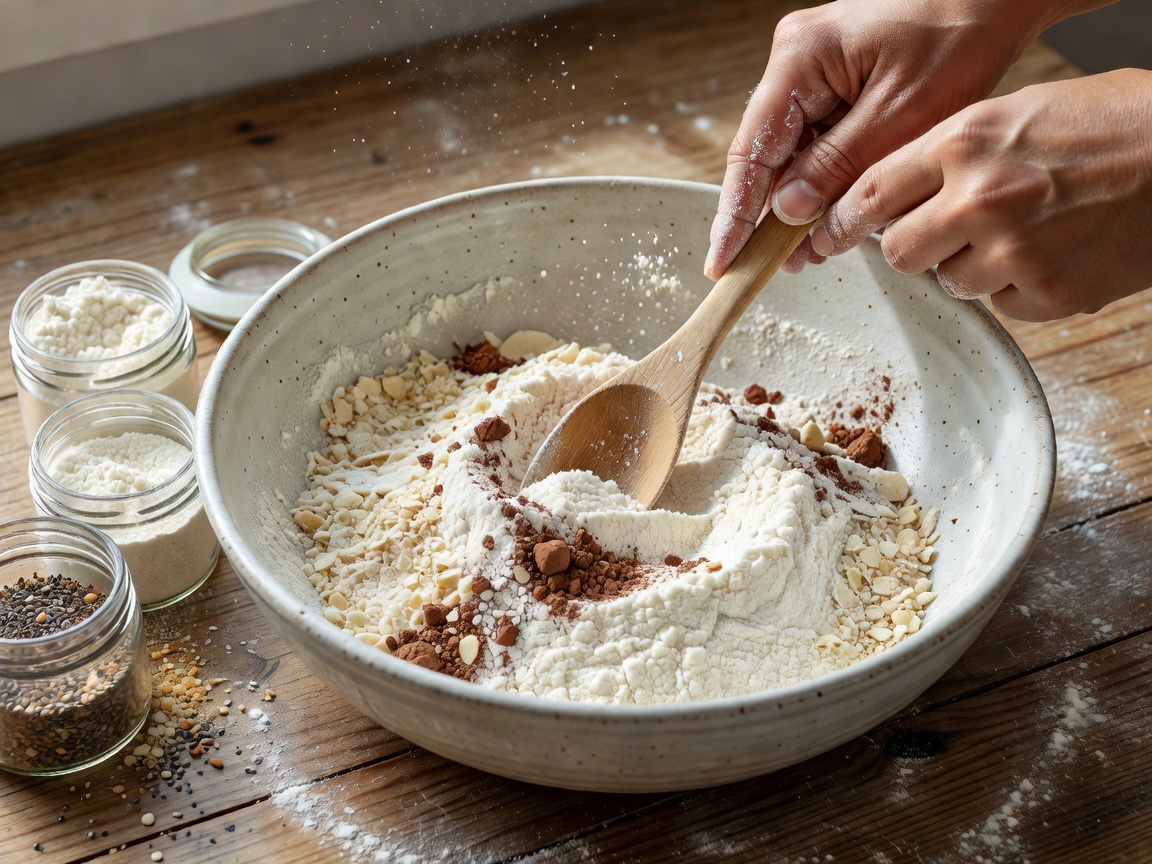
Deconstructing Traditional Baking
Baking is fundamentally an exercise in chemistry. Traditional recipes rely heavily on eggs and dairy to provide structure, moisture, lift, and tenderness. When transitioning to plant-based baking, you cannot simply remove these ingredients; you must replace the chemical functions they perform.
The secret to successful vegan baking isn't finding a magical one-to-one substitute for everything, but rather understanding what role an ingredient plays in a specific recipe and choosing the appropriate plant-based alternative.
The Complex Role of Eggs
In baking, eggs are the ultimate multitaskers. Depending on the recipe, they serve three primary functions:
- Binding: Holding the ingredients together so the final product doesn't crumble.
- Leavening: Trapping air to help cakes and breads rise.
- Moisture and Richness: Adding liquid and fat to create a tender crumb.
Choosing the Right Egg Replacer
Because eggs do so many things, the best substitute depends entirely on what you are baking.
Flax and Chia "Eggs"
Created by mixing one tablespoon of ground flaxseed or chia seed with three tablespoons of warm water and letting it rest until gelatinous.
Best for: Cookies, brownies, and hearty muffins where binding is the primary goal. They add a slightly nutty flavor and do not provide leavening.
Aquafaba
The liquid leftover from cooked chickpeas (often drained from a can). When whipped, it traps air remarkably similarly to egg whites.
Best for: Meringues, macarons, and light, fluffy cakes. Three tablespoons of un-whipped aquafaba roughly equals one whole egg.
Fruit Purées (Applesauce, Mashed Banana)
Best for: Dense cakes and quick breads. They provide excellent moisture and some binding but can make the final product dense. You often need to increase your baking powder slightly to compensate for the weight.
Navigating Dairy Alternatives
Replacing milk and butter in recipes is generally more straightforward than replacing eggs, but fat and protein contents vary wildly among plant-based options, which impacts the final bake.
Plant Milks
Not all plant milks behave the same way under heat. Soy milk is often the best all-purpose choice for baking because its protein content closely matches cow's milk, aiding in structure and browning (the Maillard reaction). Almond milk and oat milk have lower protein and may result in a slightly paler crust. Coconut milk (from a carton, not a can) adds a distinct flavor that works well in tropical or chocolate recipes.
Creating Vegan Buttermilk
Many traditional recipes call for buttermilk to react with baking soda for lift. You can easily replicate this by adding one tablespoon of apple cider vinegar or lemon juice to one cup of soy milk and letting it curdle for five minutes. The acid provides the necessary reaction for leavening agents.
Butter Substitutes
When substituting butter, you must consider the water content. Commercial vegan butter blocks (not tub spreads, which contain too much water) are designed to mimic the fat-to-water ratio of dairy butter and are the best choice for flaky pastries and frostings.
Coconut oil can be used, but because it is 100% fat (whereas butter is about 80% fat and 20% water), it can make cookies spread faster and cakes feel slightly heavier. Refined coconut oil is crucial if you want to avoid a strong coconut flavor.
Structural Adjustments
One of the most common issues in vegan baking is a sunken cake center. This happens because the structural integrity (often provided by egg proteins) isn't strong enough to hold up the crumb once the cake comes out of the oven.
To combat this, avoid over-mixing your batter, which develops too much gluten and creates a heavy, rubbery texture. Ensure your leavening agents (baking powder/soda) are fresh. Finally, allowing your cakes to cool completely in the pan before attempting to remove them gives the plant-based starches and fats time to solidify and set the structure.