One-Pot Comfort Meals
Maximizing flavor development while minimizing cleanup through the power of layered cooking.
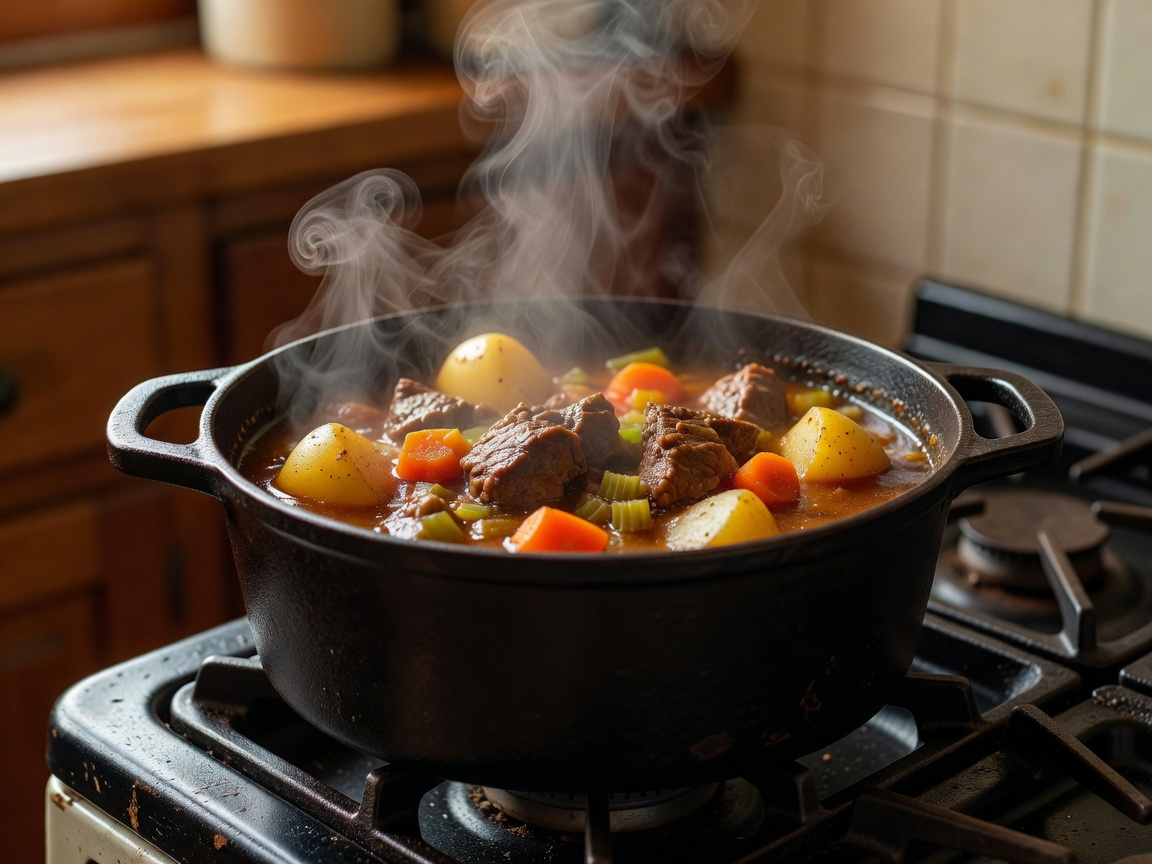
The Philosophy of One-Pot Cooking
The appeal of a one-pot meal extends far beyond the obvious benefit of fewer dishes to wash. When executed correctly, cooking everything in a single vessel allows ingredients to exchange flavors dynamically. Starches from pasta or potatoes thicken the cooking liquid, while the savory juices from seared proteins infuse the vegetables. It is a symbiotic cooking environment.
However, throwing everything into a pot at the same time usually results in a mushy, homogenous texture. The secret to a successful one-pot meal lies in the sequence of events: layering flavors through staged cooking.
The Architecture of Flavor: Sequence Matters
To build a restaurant-quality meal in a single pot, you must follow a logical progression that treats each ingredient with respect for its required cooking time and heat level.
1. The Sear (Developing Fond)
Begin by searing your proteins (chicken, beef, sausage) over medium-high heat. The goal here isn't to cook the meat through, but to brown the exterior and create a crust. As the meat sears, it leaves browned, caramelized bits stuck to the bottom of the pan. This is called fond, and it is the foundation of your dish's flavor. Once seared, remove the protein to a resting plate.
2. Aromatics and Deglazing
Lower the heat and add your aromatics—typically onions, carrots, and celery (mirepoix), or garlic and ginger. The moisture released as the vegetables sweat will begin to loosen the fond. At this stage, you introduce a liquid (wine, broth, or vinegar) to fully deglaze the pan. Scraping the bottom of the pot integrates all those browned bits into the liquid, forming a complex base sauce.
3. Simmering and Re-introducing
Next, add your dense vegetables (potatoes, squash), grains, and primary cooking liquid. Return the seared protein to the pot. Bring the liquid to a simmer, cover, and let the gentle, moist heat cook everything evenly. The starches released during this phase will naturally thicken the broth.
4. Finishing Touches
Delicate ingredients that turn to mush quickly—such as spinach, peas, fresh herbs, or a splash of cream—should only be stirred into the pot in the final few minutes of cooking.
Equipment: Choosing Your Vessel
The success of a one-pot meal heavily depends on the heat retention and surface area of your cooking vessel.
- Enameled Cast Iron (Dutch Ovens): The gold standard. They distribute heat evenly, hold temperature well during long simmers, and can move seamlessly from the stovetop to the oven.
- Stainless Steel Sauté Pans: Excellent for developing fond during the searing phase. They are ideal for quick, pasta-based one-pan dishes where rapid evaporation is desired.
- Non-Stick Cookware: Generally not recommended for one-pot meals that rely on a good sear, as the slick surface actively prevents fond development.
Managing Liquid Ratios
The most challenging aspect of creating a one-pot meal without a rigid recipe is estimating the required liquid. If you add too much, you end up with a soup; too little, and the dish burns to the bottom.
When cooking dry pasta directly in the sauce, a general guideline is to use roughly enough liquid to just barely submerge the dry pasta. As the pasta absorbs the liquid and releases starch, it creates a creamy emulsion. Keep extra hot broth or water nearby; it is always easier to add a splash of liquid to loosen a dry dish than it is to reduce a watery sauce without overcooking the solid ingredients.